
2026 Arts Preview: The year ahead in books
These are the fiction and non-fiction books to look out for in 2026, writes David Robinson
The Unfragile Mind: Making Sense of Mental Health, by Gavin Francis (Wellcome Collection, £18.99, February) Between a quarter and a fifth of young people in the UK suffer a mental disorder – an increase of 530,000 in the last decade. Drawing on 30 years’ experience as an Edinburgh GP with a special interest in mental health, Gavin Francis examines why this is happening and how best to deal with the problems – including mood disorders, trauma, anxiety and addiction – that he encounters daily.
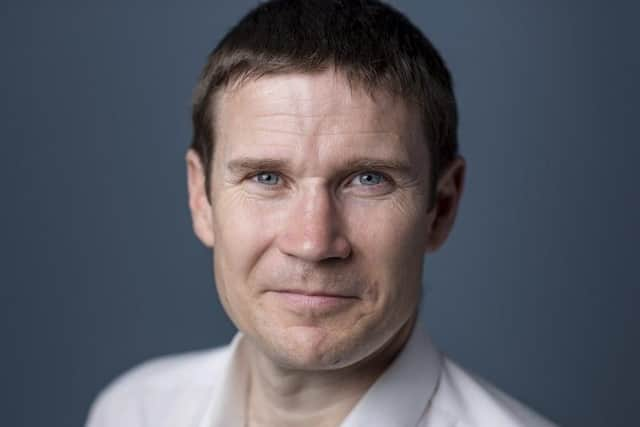

Your Life Without Me, by James Meek (Canongate, £18.99, February) James Meek is a frequent award-winner for both his fiction and journalism. This novel about a retired teacher’s attempts to discover whether his influence landed a favourite former pupil in prison for trying to blow up St Paul’s Cathedral is his first for six years, and is being hailed as his best yet.
A Sicilian Man: Leonardo Sciascia, the Rise of the Mafia and the Struggle for Italy’s Soul, by Caroline Moorhead (Chatto & Windus, £25, February) Confession time: I’ve never read Sciascia, the Sicilian widely held to be one of the last century’s finest writers, and whose 1961 novel The Day of the Owl was one of the first novels about the Mafia. But I’m fascinated by the Mafia, and Moorhead is more than reliable as a biographer (Bertrand Russell, Freya Stark, Martha Gellhorn) so the Venn diagram of what makes me want to pick out a book is well and truly filled.
The Cancelled Prime Minister, by Walter Reid (Hurst, £25, February) Born illegitimate in Lossiemouth and leaving school at 14, Ramsay MacDonald seemed set to follow in his ploughman father’s footsteps. Instead, he became Britain’s first working-class prime minister and a friend of the King. Drawing on MacDonald’s private diaries, Walter Reid makes a powerful case for a reappraisal of “an idealist undone by circumstance” who has been all but erased from Labour’s history.
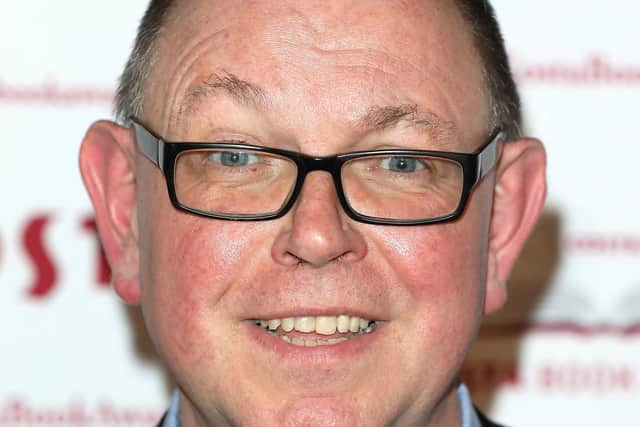
Nonesuch, by Francis Spufford (Faber, £20, February) Anyone who has read Spufford’s Light Perpetual knows what wonders he can blithely spin out of the past (as indeed he did in his debut novel Golden Hill). In Nonesuch, we’re back in the Second World War, but also in a reality “where time bends, spirits can be summoned, and history hangs by a thread”. Expect enchantment.
Like a Cat Loves a Bird: The Nine Lives of Muriel Spark, by James Bailey (Sceptre, £20, April) “Spark’s own story,” writes Bailey, “is every bit as strange, slippery, and rife with contradictions as the ones she wrote.” True enough – and pinning down one of literature’s greatest shapeshifters is a challenge for any biographer. Unlike last year’s Electric Spark, Frances Wilson’s biography – which apart from an afterword, ended with the publication of The Comforters in 1957 – Bailey takes the story right up to Spark’s death in 2006.
The Great Good Places, by Margaret Drabble (Canongate, £16.99, April) Now well into her ninth decade, Dame Margaret looks at ageing, the strange workings of memory and the “great good places” that shape us. Fellow octogenarian national treasures Melvyn Bragg (Another World, Sceptre, £25, February) and Julian Barnes (Departures, £18.99, Cape, January) appear to be doing something similar.
Borrowed Land: A Highland Story, by Kapka Kassabova (Cape, £22, April) After her acclaimed Balkan Quartet, Kassabova turns her attention to the Highland glen she has made her home – but her fierce love of the place runs alongside anger at how it is threatened by the exploitative greed of energy companies.
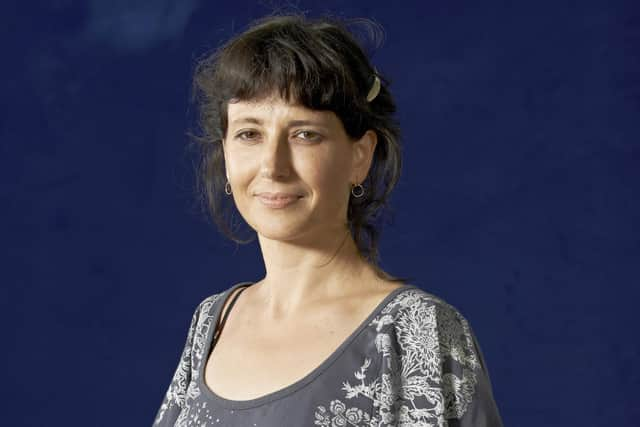
Boyhood, by David Keenan (White Rabbit, £25, April) Keenan’s first novel for four years, Boyhood is, he says, “a book about angels, and Glasgow as the centre of the world... It is also the book where I fell back in love with the magic of storytelling”. Irvine Welsh is a fan already: “I didn't think it was possible to be this impressed, challenged and entertained by a novel. Boyhood is a complete triumph.”
Like Birds in the Wilderness, by Agnes Owens (Polygon, £8.99, May) To the amazement of writers like Alasdair Gray, Douglas Stuart, James Kelman and many more, Agnes Owens (1926-2014) never became as celebrated as her work deserved. This year Polygon are betting on changing that by publishing all seven of her novellas and short stories, starting with this one, a comic novel about a boozy brickie, introduced by Kirsty Logan.
The Scotsman’s arts newsletter is now sent twice a week - subscribe today
Want the latest Scottish headlines sent directly to your phone? Sign up to our new WhatsApp channel here.
Comments
Want to join the conversation? Please or to comment on this article.