
Arts diary: Should the Fringe be rescheduled to a week earlier?

The debate has raged after audience numbers slumped in week three
The Edinburgh Festivals are over for another year. The venues are being dismantled and performers and audiences are vacating the city, meaning that the rest of us can walk along George IV Bridge again without putting our lives in our hands.
Yet, one major battle is still raging: When should the festivals be?
This year’s Edinburgh Festival Fringe started unusually late, on Friday, 7 August. Performers have warned that they suffered their worst final week of the Fringe in memory, with comedian Susie McCabe telling of comedians performing to “half empty rooms” and even veteran performers like Ruby Wax suffering disappointing ticket sales in week three. Venues, which experienced an unusually strong start to this year’s festival - with Fringe Society data backing that up, reporting the single best-ever day of sales on 15 August and an overall eight per cent uplift on last year - have reported waning audiences in the past few days.
Yesterday, William Burdett-Coutts, director of Assembly Festival, made a strong call for the Edinburgh Festival Fringe Society to “urgently” change next year’s dates, pushing the start forward by a week from as soon as next summer. The Fringe Society says even if a “change in rhythm” is preferred by stakeholders, that will not be able to be implemented by 2027.
The question is, why was it so bad?
The late start meant Scottish schools in some areas - including Edinburgh - returned just five days after the festival began. The timing was a major blow particularly for performers of children’s shows, who told me before the festival started that they had had to cut short their runs. In one case, a local company was forced to begin their performances days before the Fringe actually kicked off, due to their young performers having to return to the classroom - which meant they could not sell their tickets through the official Fringe channels.
Yet children actually make up a fairly small percentage of audience numbers. Tony Lankester, chief executive of the Fringe Society, told me a week or so ago that some parents had informed him they were actually delighted about the late start - they could take a couple of days leave while their offspring were in school and enjoy the festival like grown ups. Yet, performers’ experience, especially during the final week, do not suggest that happened - not widely.
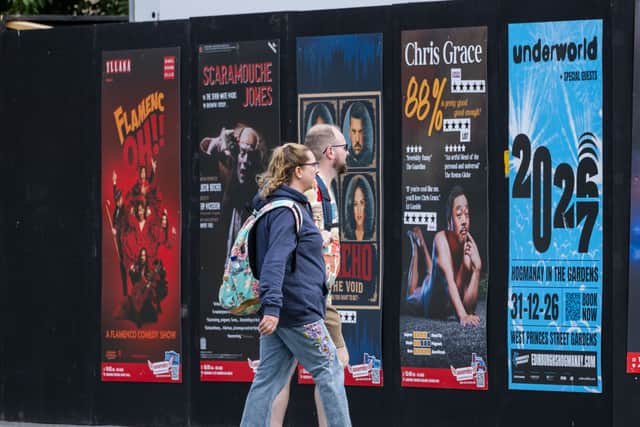

One of the problems is arguably the psychological barrier of the festivals continuing long after term starts. Whether you have children of your own or not, schools being back equals summer being over. And with around 60 per cent of tickets (depending on who you speak to) now sold to Scots as the cost of travelling to and staying in Edinburgh deters those further afield, any psychological barrier that blocks the local market from enjoying a show and a beer in the sun is a serious one.
While next year’s Fringe is due to start on 6 August, the effect will potentially not be as bad, even if a date change is not implemented. The Fringe Society argues that the announced 2027 dates see the overlap between school holidays and the Fringe revert to the familiar 12 days, unlike the once-every-six-year five-day overlap experienced this year. This is partly due to a later start for schools, again due to the timing of days of the week on the calendar.
There is one other factor to consider, which is that the Fringe has traditionally finished on the Monday August Bank Holiday: a bank holiday which Scotland does not take. Again, in the days when the Fringe was overrun with that lot from south of the border, this was perhaps a valid, if slightly tone deaf, argument. Now, with fewer ticket sales from England, it sounds hollow.
Yet, even for those who are here to enjoy the (English) bank holiday weekend, surely Monday is not a Fringe day - it is a travel day, to return to work on Monday. Performers agree, with large numbers of them opting to cut short their run before “Miserable Monday”, finding the after the Lord Mayor’s Show feeling of performing as the infrastructure is dismantled around them, unsurprisingly disappointing.
The debate will no doubt continue to rage long after the last flyer is recycled and the last temporary stage is taken down. While a change looks unlikely for next year, it isn’t to be ruled out in the future.
Comments
Want to join the conversation? Please or to comment on this article.