
300 musicians and culture figures call on BBC Radio Scotland to pause cuts to late-night music shows

The letter comes amid plans for a radical shake-up of programming with late-night curated music shows to be replaced by ‘mainstream, easy listening’ programmes led by playlists
Eddi Reader, Sir Ian Rankin and Jacob Alon are among more than 300 figures from the Scottish music and culture sector to sign a letter calling on BBC Radio Scotland to pause and consult on planned changes to its late night scheduling - claiming the cuts will have a “detrimental, lasting impact” on artists.
An open letter signed by some of the biggest names in Scottish music and culture calls for consultation before BBC Radio Scotland presses ahead with replacing its curator-led specialist music programmes - warning the shift towards playlist-led “mainstream, easy listening” output risks severing a key route for emerging Scottish artists.
The artists, who also include Billy Kennedy of Frightened Rabbit, James Yorkston and Iona Fyfe, all received their first radio plays in these late night freeform spaces, which they said were often the first step up from local word of mouth to a national audience. They warn that the planned move towards mainstream, playlist led shows will reduce that vital stepping stone for emerging Scottish artists.
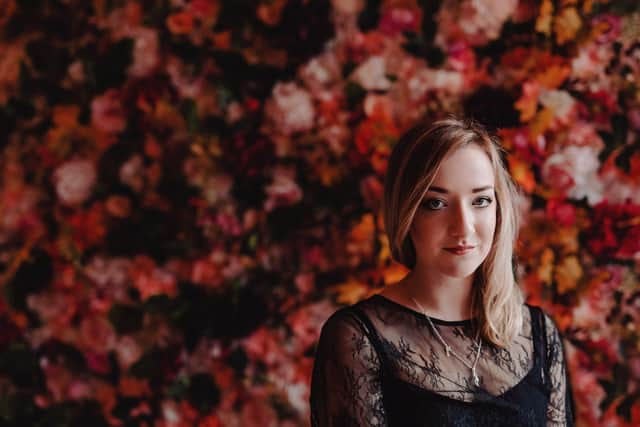

BBC Radio Scotland plans to replace the current curator-led late-night music discovery line-up from January 2026, including specialist programmes presented by Iain Anderson, Roddy Hart, Billy Sloan and Natasha Raskin Sharp. The BBC’s commissioning document for the incoming late-night slots sets out “a new five night late night show”, with a playlist-led “mainstream, easy listening” music policy to appeal to audiences aged over 45.
The letter states: “It was BBC Radio Scotland’s late-night shows that gave our music a chance. That is why this letter comes from a place of deep gratitude for what those programmes have done for us, and at the same time from grave concern that the next generation of Scottish musicians may never be given the same chance.
“For some of us, that chance was given by Iain Anderson. For others it was Roddy Hart, Billy Sloan, Natasha Raskin Sharp or an earlier late-night voice. The details may differ, but the story is the same.
“A trusted presenter plays our song and says our name on national radio for the first time. Listeners’ ears, and industry doors that were previously closed, begin to creak open. That single play announces to promoters, funders, labels and audiences: this is someone worth paying attention to.”
The broadcaster claims it is increasing the number of late-evening programmes each week and will continue to support Scottish artists.
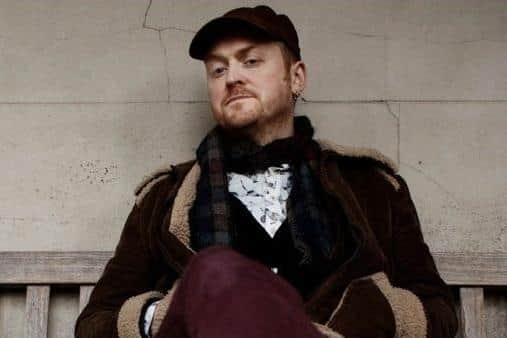
The open letter, which also has the backing of the Scottish Music Industry Association, Scottish Music Centre, Musicians’ Union, Music Venue Trust and other industry organisations, was co-ordinated by three-times SAY Award nominee Stephen McAll of Constant Follower.
McAll said: “Almost every artist who signed started out with an early play and a few kind words from one of these programmes. Together we are saying: these late-night spaces are where the careers of Scottish musicians begin; it is where our audiences first meet us.
“Scrapping these freeform cultural spaces is not a tidy schedule change, it is pulling away a piece of the foundation of music in this country. We are asking the BBC to stop and engage in meaningful consultation with us, the listeners and the musicians, before it does that.”

BBC Radio Scotland said: “It’s not unusual for radio stations to undergo changes, particularly in an increasingly competitive audio market and, whilst we understand some audiences may be disappointed, it is important that BBC Radio Scotland continues to listen to audience feedback and evolve its offer.”
The open letter is being sent to senior BBC executives in London and Glasgow, the Scottish Government’s Cabinet Secretary for Constitution, External Affairs and Culture Angus Robertson MSP, the Secretary of State for Culture, Media and Sport Lisa Nandy MP, Minister of State (DCMS) Ian Murray MP, the Secretary of State for Scotland Douglas Alexander MP, and broadcast regulator Ofcom.
Comments
Want to join the conversation? Please or to comment on this article.